
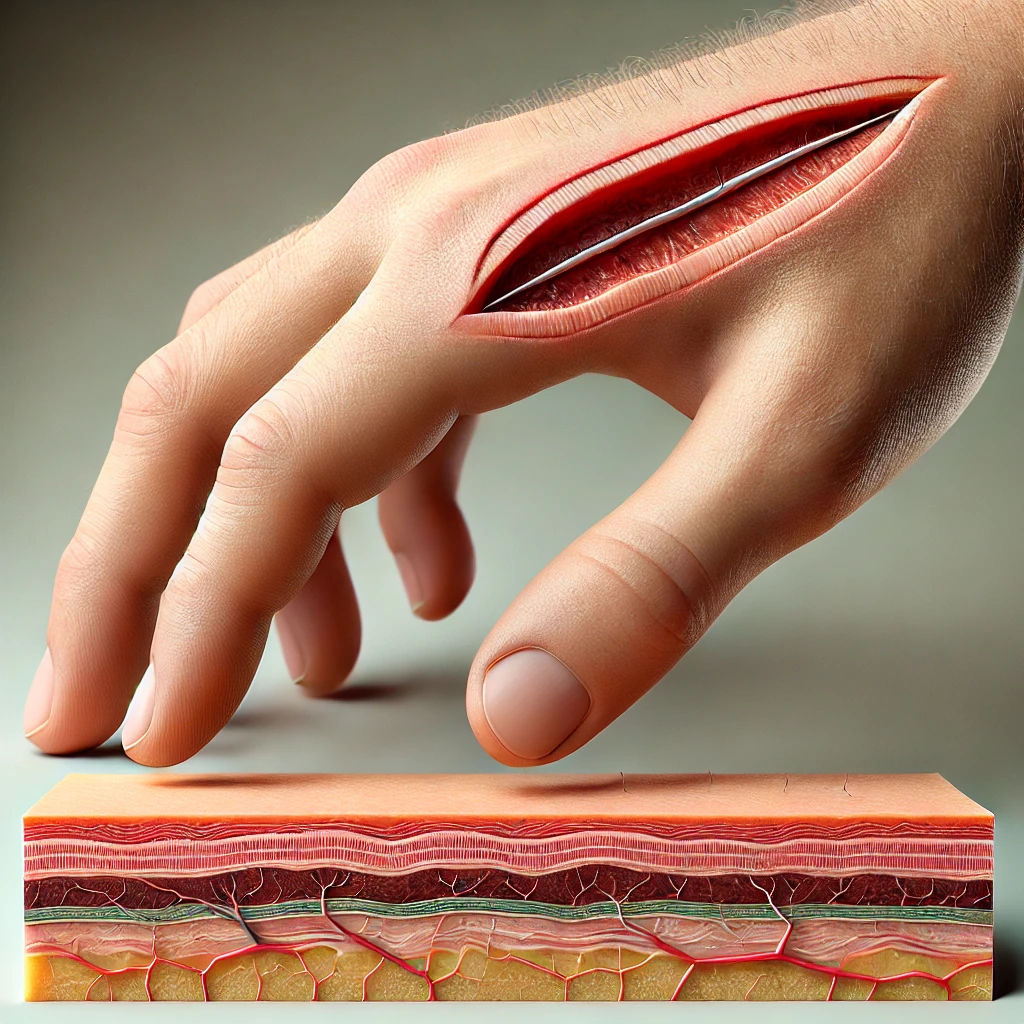
Introduction
Wound healing is a remarkable biological process that our bodies go through every time we experience an injury. From a simple cut to a more severe wound, the body works tirelessly to repair damaged tissues and restore normal function. While the process may seem like a natural, straightforward healing mechanism, it is, in fact, a highly complex series of events involving multiple physiological processes, cells, and growth factors.
In this article, we will explore the **science behind wound healing**, the stages of healing, and how understanding this process can help speed up recovery and improve outcomes. Whether you’re dealing with a minor injury or a more serious wound, a deeper understanding of how the body repairs itself can help guide effective treatments and care strategies.
The Stages of Wound Healing
Wound healing occurs in a series of stages, with each phase playing a critical role in tissue regeneration and repair. The stages of wound healing include:
- Hemostasis: This is the immediate response to injury, where blood vessels constrict to stop bleeding, and blood clots form to seal the wound.
- Inflammation: During this phase, immune cells rush to the site of injury to remove pathogens and debris. Inflammation helps to prevent infection and initiates the healing process.
- Proliferation: In this stage, new tissue begins to form, including **collagen** and **granulation tissue**, which provide structure and support to the healing wound.
- Remodeling: The final stage of healing involves the maturation and strengthening of the new tissue. The wound becomes stronger and more organized, though it may never fully return to its pre-injury state.
Factors That Influence Wound Healing
While the body is naturally capable of healing wounds, various factors can affect the speed and efficiency of the process. Some key factors include:
- Age: As we age, the body’s healing process tends to slow down, and older individuals may experience prolonged wound healing.
- Nutrition: A balanced diet rich in protein, vitamins (particularly vitamin C and A), and minerals is essential for tissue regeneration and immune function.
- Blood Flow: Adequate circulation is vital for delivering oxygen and nutrients to the wound site. Poor circulation can slow the healing process.
- Underlying Health Conditions: Conditions like diabetes, obesity, and immune system disorders can impede the body’s ability to heal wounds effectively.
- Infection: Wounds that become infected can significantly delay the healing process, as the body must first fight the infection before continuing with repair.
How to Accelerate Wound Healing
There are several strategies that can help speed up the wound healing process:
- Proper Wound Care: Clean and dress wounds regularly to prevent infection and promote healing.
- Stay Hydrated and Nourished: Ensure proper nutrition and hydration to support the body’s repair mechanisms.
- Use Advanced Wound Care Products: Modern wound care products, such as **hydrocolloid dressings**, **hydrogels**, and **biological dressings**, can help accelerate healing by maintaining an optimal environment for tissue growth.
- Manage Underlying Health Conditions: Properly managing conditions like diabetes or hypertension can help improve circulation and tissue regeneration.
Conclusion
Wound healing is an intricate and essential process for the body’s recovery. By understanding the stages of healing and the factors that influence it, individuals can take proactive steps to promote faster recovery. With proper care, nutrition, and attention, wounds can heal effectively, leading to minimal scarring and restored function.